You remember that day clearly. You sat down with your hook and yarn, excited to start a new project. But then you opened the pattern – and there it was: a full page of symbols. Circles. Dashes. “T”‑shapes. It looked like an abstract map of something mysterious. And you thought: “What on earth does that mean?”
You’re not alone. Many beginner crocheters face that moment, when the pattern flips from words to symbols. But it doesn’t have to be scary. Because behind every symbol lies a simple instruction. And once you learn how to decode it, you’ll feel empowered. Ready to make beautiful pieces. Ready to understand what you’re doing. Let’s walk through how you can translate a crochet stitch chart into plain English – step by step.
Why Crochet Charts Can Be Intimidating
When you first encounter a chart, it can feel like you’re reading hieroglyphs. The major issue? Most beginner books focus on written patterns – but charts are a completely different format. Yet the reward is worth it: charts are visual, precise, and often easier to follow once you get the hang of them.
Some interesting numbers: the craft market shows big growth. According to one overview, search interest for “crochet” globally rose by around 213% over the past 15 years (2008‑2023). Crochet Penguin And in a 2022 report by the Craft Yarn Council (CYC), roughly 40%+ of crafters said they started crocheting within the last two years – meaning many beginners are jumping into this craft with less experience in chart reading. PR Newswire
So, if you’re feeling lost – you’re in good company. Let’s turn those symbols into words. Let’s make the “crochet chart explained”.
Understanding Symbols: The Crucial First Step
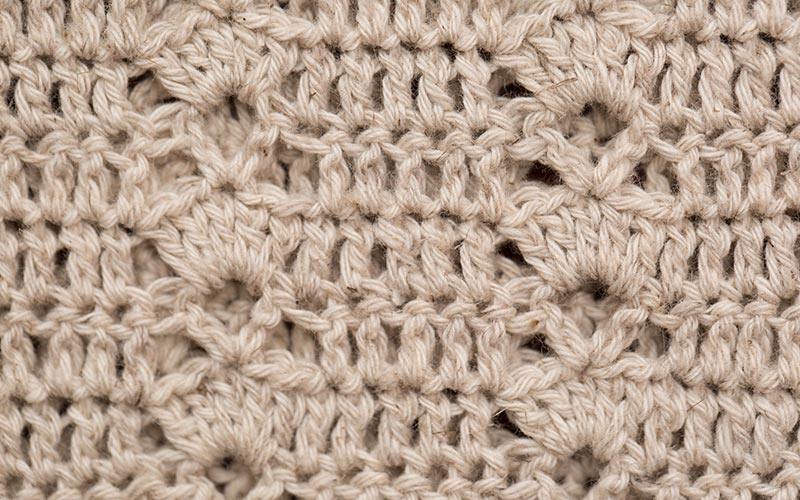
Before you can translate anything, you need to know what each symbol means. Think of this as learning the letters of a language.
Here’s a simple “crochet symbol guide beginners”:
- Chain (ch) → small oval.
- Slip stitch (sl st) → tiny filled circle.
- Single crochet (sc) → small “x” or “+”.
- Half double crochet (hdc) → “T” with one horizontal line through its stem.
- Double crochet (dc) → “T” with two horizontal lines.
- Treble crochet (tr) → “T” with three horizontal lines.
When you know these, you can start reading the chart. But always check the legend. Because some designers may use slightly different symbols or include variations.
Step 1: Start With the Legend
Every chart comes with a legend or key. Don’t skip it. It’s the translator.
Make sure you match each symbol in the chart to the legend. Highlight or mark the symbols. Keep a little list of them for yourself.
This helps you avoid confusion later. And you’ll already have a mini‑cheat sheet. Yes. A small one. But effective.
Step 2: Determine the Direction of Reading
Charts are graphic. They don’t always show “row 1”, “then row 2” like a text pattern does. You must figure out direction.
- If you’re working rows, you’ll often read right‑to‑left on odd rows and left‑to‑right on even rows (in many western patterns).
- If you’re working in rounds, you’ll often keep going around in the same direction (usually right to left).
Not checking this can lead you astray. Fast.
So take your time. Set your hook. Then start.
Step 3: Break the Chart Into Manageable Sections
Looking at a full chart can be overwhelming. Instead: break it down.
Start with the first row or round. Translate each symbol into plain text.
For example: if a row shows “x – o – x – x”, you might write: “Single crochet, chain 1, single crochet, single crochet.”
Short. Simple. Easy to follow.
Then move to the next row. And the next.
Take it step by step. You’ll progress faster than you think.
Step 4: Identify and Translate Repeats
One of the trickier parts is repeats. Charts love them. Brackets. Stars. Arrows.
When you see a repeat section, you need to convert it into English: for example:
“sc, ch 2 repeat 4 times” becomes “Single crochet, chain 2. Repeat this 4 times.”
Write it down if you prefer. Yes, it takes a moment. But it saves time later when you’re crocheting and not staring at the chart every few seconds.
Step 5: Use Your Own Cheat Sheet
The phrase crochet chart explained means you write out a little translation guide for yourself.
Include:
- Symbols + English description
- Abbreviations used in the legend
- Repeat symbols explained
Whenever you open a chart, keep this cheat sheet beside you. It keeps you moving.
It saves you from stopping every few stitches to look things up.
Step 6: Practice With Simple Charts
Don’t start with a monster pattern that has 50 symbols and complicated repeats.
Choose something simple. For example: a basic swatch, a scarf, a hat. Something you can finish in a comfortable time.
The goal is to build your confidence. To make chart reading feel natural. Then you’ll be ready for bigger patterns.
Because when you start to understand crochet patterns, your world opens up.
Step 7: Give Meaning to the Symbols
Here’s a little trick from experienced crocheters: tell a story.
Imagine: Chains are bridges. Single crochets are small stepping‑stones. Double crochets are taller towers.
It’s a playful way of remembering. It may seem silly. But for beginners it works.
You’ll go from “What’s that weird oval?” to “Oh – a bridge!” And you’ll crochet without hesitation.
Step 8: Check As You Go
You’ve translated. You’re crocheting. But don’t forget to check your work.
Count your stitches at the end of each row or round. Compare your work to your translated instructions.
If something seems off, stop. Fix it early. Because later it might be too tangled.
Don’t rush. A slow, sure pace is far better than fixing mistakes later.
Enjoy the rhythm.
Common Mistakes to Avoid
- Skipping the legend. (Big one.)
- Not tracking the direction of the row/round correctly.
- Ignoring repeat indicators.
- Jumping into complex charts before you’re ready.
Each beginner makes these. It’s part of the journey. Don’t feel bad. We all start somewhere.
How Creyalle Can Support Your Journey
At Creyalle we believe chart‑reading should be accessible. We focus on delivering quality crochet accessories, designed to inspire and support your creativity. You can visit our website’s accessories page to explore and reach out if you’re interested.
Seeing well‑made accessories helps you visualise stitches in real life. It makes it easier when you’re reading charts
and yes. You deserve tools and accessories that help you shine.
Why Knowing How to Read Charts Matters
When you can decode a chart, you unlock so many patterns. Patterns from other countries. Patterns with minimal written instruction. Charts are universal.
Think of it like being bilingual. Once you learn the “language” of symbols, you open up a world of creative possibilities.
And according to the Craft Yarn Council’s 2014 study, 84% of crafters reported they crochet or knit at least 3‑4 times a week. craftyarncouncil.com That kind of frequency pays off. The more you practise, the better you become.
Wrap‑Up
Translating a crochet stitch chart into plain English doesn’t need to feel like a mountain climb. With this step‑by‑step approach – understanding the legend, reading direction, breaking down rows, translating repeats, using a cheat sheet – you will progress.
Yes – there will be moments of confusion. That’s okay. Stop. Breathe. Re‑read. Then carry on.
And if you want, you can use quality accessories (like those from Creyalle) to supplement your learning.
So here’s your question: will you pick up a chart today and translate the first row?